
Let me tell you about a conversation I had at a trailhead recently.
A woman pulled up with the kind of cheerful optimism usually reserved for people who think glitter is a craft supply and not a lifestyle disorder. She opened her car door and out waddled the most astonishingly unathletic basset hound I have ever seen in my life.
This dog was shaped like an ottoman.
He had a full round belly, no visible neck, ears sweeping the parking lot like two exhausted dust mops,, She beamed at me with the pride of someone unveiling an Olympic athlete and said, “He loves to hike!”
Now, I do not know this dog’s government name, so I immediately named him Snoopy.
Snoopy looked up at me with the eyes of a dog who had seen things. Not dramatic things. Just avoidable things. He gave one long, soulful stare that said, Ma’am, I was bred for porch contemplation and light emotional support. This is not my ministry.
Then he turned around, walked to the car door, and sat down beside it.
Not near it. Not vaguely in the vicinity of it. He sat with purpose. With conviction. With the quiet dignity of a union worker on strike.
That dog was not confused. He was not hesitant. He was not “warming up.”
Snoopy knew.
And honestly, that is the question so many dog owners wrestle with: Is my dog actually ready to hike? Because enthusiasm is not fitness, and owning a leash does not magically transform a living ottoman into a backcountry athlete.
The problem is, our dogs can’t say, “I appreciate the invitation, but this feels ambitious for my current level of cardiovascular commitment.” So instead, they communicate in other ways. They lag behind. They pancake in the dirt. They start filing silent complaints with their facial expressions. Or, if they are especially clear communicators like Snoopy, they park themselves by the car door and hope you take the hint.
And that is why this matters.
Because sometimes the answer is yes — your dog is ready, capable, and thrilled to hit the trail. And sometimes the answer is, “This animal considers the walk from the couch to the food bowl a moderate endurance event.”
So let’s talk about how to tell the difference.
Why This Actually Matters
Search and rescue teams across the country are reporting a significant spike in trail rescues. In Colorado alone, SAR response hours nearly doubled in 2025 — logging 4,336 hours during 79 calls, up from 2,182 hours for the same number of calls the year before. And increasingly, the calls involve dogs — too exhausted to move, carried down mountains by volunteer teams who had a very different Saturday planned. Park County Search and Rescue in Colorado reported multiple dog rescue calls in a single week during summer 2025.
Here's the thing — most of those rescues aren't because the owner didn't love their dog. They're because the owner didn't know what to look for before they left the trailhead.
That's fixable. And that's what we're doing today.
Signs Your Dog Is NOT Trail Ready
They're a couch professional.
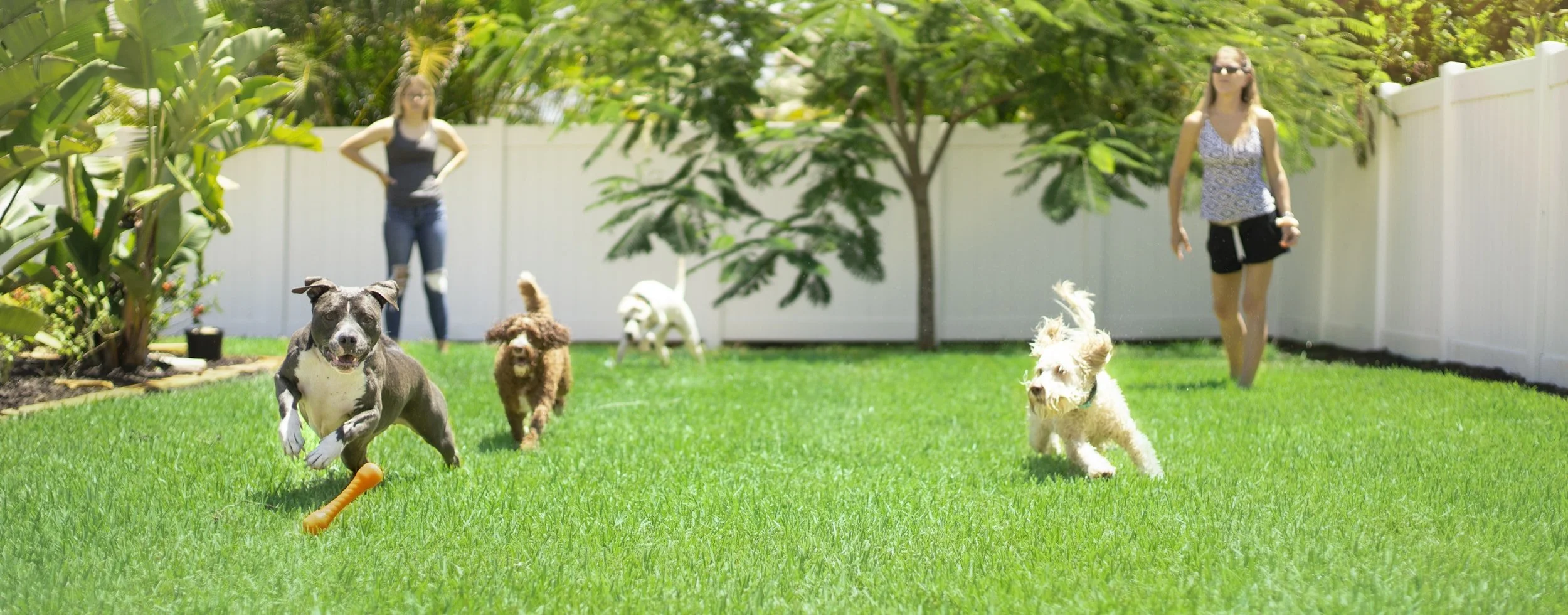
Be honest. Does your dog's daily exercise consist of walking to the food bowl and back? Weekend warrior hiking is hard on human bodies — it's hard on dog bodies too. A dog who hasn't been building up stamina on regular walks is not ready for a 5-mile trail no matter how excited they look at the trailhead. That excitement is not fitness. That's just dogs being dogs.
They're a puppy under 18 months.
I know. They're adorable and they want to go everywhere with you. But puppies have developing growth plates in their joints that are not ready for the repeated impact of uneven terrain and elevation change. The general veterinary guideline is five minutes of structured exercise per month of age — so a three month old puppy is ready for about fifteen minutes of walking, not a mountain trail. (Source: American Kennel Club, Toronto Veterinary Rehabilitation Centre.) Love them enough to wait until they're ready.
They're a senior dog who hasn't been assessed recently.
Dogs over seven years old are in their senior years depending on breed and size. Arthritis, joint stiffness, and reduced stamina are real factors. The trail that was easy three years ago may not be appropriate today. A vet check before hiking season is not being dramatic — it's being a good dog parent.
They're a flat-faced breed in the heat.
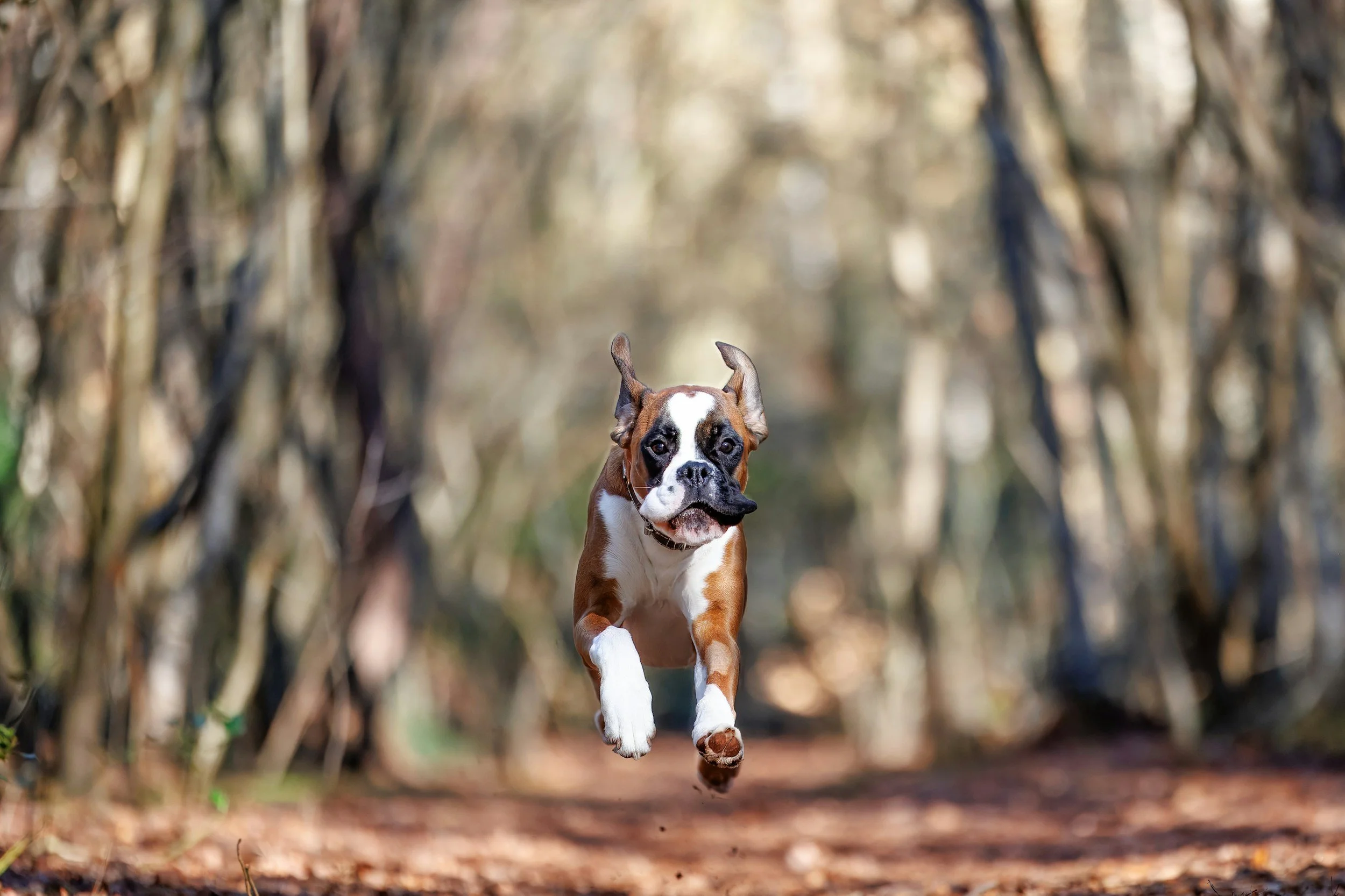
Bulldogs, pugs, boxers, French bulldogs — if your dog has a squished face, they have a compromised airway and struggle significantly with heat regulation. In Texas heat especially, this is serious. These breeds can overheat rapidly on trails that other dogs handle just fine.
Now — I want to be fair here. Small does not automatically mean unfit. I recently watched the tiniest little dog absolutely own a trail at Guadalupe Mountains National Park with the Bark Rangers. Full confidence. Zero hesitation. The other hikers were impressed. His mama, however, is the real hero of this story — because about halfway through, she read her dog's signals, pulled out a carrier, and tucked him in for the trip home. That little dog did what he could do. She knew when enough was enough. That's the whole lesson right there in one tiny package.
They've been limping, favoring a leg, or seem stiff getting up.
I'm not your dog's vet and you shouldn't take my word for this — but if your dog is showing any signs of joint pain or injury at home, the trail is absolutely not the place to find out how bad it is. Wait, assess, and talk to your vet first.
They won't drink water at home.
Some dogs are notoriously bad at staying hydrated. If your dog ignores their water bowl at home, they're likely to do the same on the trail — where dehydration happens fast, especially in heat. Know your dog's drinking habits before you go.
How to Actually Get Your Dog Trail Ready
Start with your vet. Before the first hike of the season — especially if it's been a while — get a quick check. Ask specifically about your dog's joint health, weight, and cardiovascular condition. This is a five-minute conversation that could save you from a very bad day on the trail.
Build up gradually. Start with shorter, flatter hikes and work up. Think of it exactly like training for yourself — you wouldn't run a 10K without building up to it. Neither should your dog.
Watch for the real-time warning signs on the trail. Excessive panting beyond what's normal for your dog. Slowing down significantly. Lagging behind you. Lying down and not wanting to get up. Limping. Drooling more than usual. Any of these means it's time to stop, water your dog, rest in shade, and honestly consider heading back. There is no shame in a shorter hike. Gerald would have preferred it.
Know that turning around is a win. I have turned around on trails because of Molly. Not because something was wrong — because I read her signals and knew she had enough. Coming home with a happy, tired dog is the goal. Coming home after a search and rescue team carried your dog down a mountain is not.

Your Pre-Hike Dog Fitness Checklist
Before you hit the trail with your dog run through this. It takes two minutes and your future self — and your dog — will thank you.
☐ Vet cleared for hiking this season
☐ Regular exercise routine in place — not just weekend walks
☐ Appropriate age — growth plates closed (18 months for most breeds)
☐ No current limping, stiffness, or joint concerns
☐ Vaccinations current — especially Leptospirosis if near water
☐ Flea and tick prevention up to date
☐ Knows basic commands — come, stay, leave it
☐ Comfortable on leash around other dogs and people
☐ Drinks water reliably
☐ Trail and weather appropriate for their breed and fitness level
☐ Extra water and collapsible bowl packed
☐ Dog first aid basics — paw protection, tick removal tool
What Molly Taught Me
Molly is a good hiker. She's fit, she's healthy, she loves the trail, and she has strong opinions about squirrels that I respect even if I don't always agree with them.
But even Molly has days where she's not feeling it. I've learned to watch her instead of assume. Because the best trail dog isn't necessarily the most athletic one — it's the one whose human knows them well enough to make the right call.
Snoopy knew the right call immediately. Snoopy is wise.
Your dog is counting on you to be the wise one for both of you. Check them out, build them up, watch for the signs, and take care of your trailbud the same way you take care of yourself on the trail.
Because they can't pack their own water. But they'd carry yours if they could.
Safe trails, smart choices, and always — have fun out there. 🧡
Coming soon: Trailbuds SOS Pak. Join the list at trailbudsandco.com to be first.
