
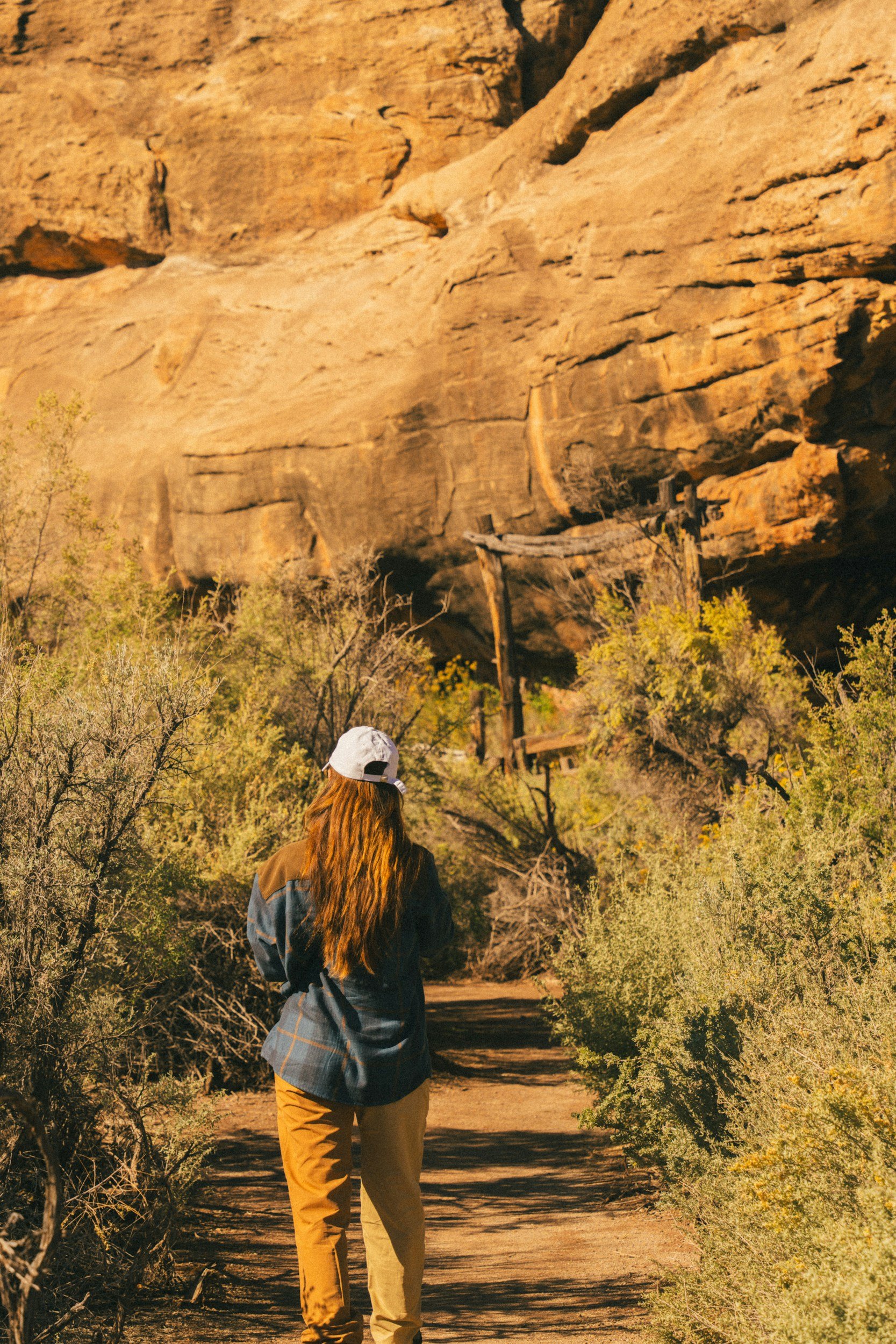
Let me set the scene. I'm standing at a trailhead, pack on my back, Molly doing her signature "let's GO" spin circles at the end of the leash, and some well-meaning stranger walks up and says — "You're not hiking alone, are you?"
Yes. I. am.
And I will be fine.
I get this question constantly — from friends, from strangers at trailheads, and from people online who have clearly watched way too many true crime documentaries. And look, I get it. The concern comes from a real place. But I'm here to tell you that solo hiking as a woman is absolutely something you CAN do — and do safely — once you stop worrying about the wrong things and start preparing for the right ones.
So let's talk about it. Friend to friend. Trail to trail.
What Actually Gets Hikers in Trouble
Here's the thing nobody tells you: the dramatic stranger-danger scenario? Not what's typically sending people to the hospital.
What actually gets hikers — men and women alike — into serious trouble is way more boring. Getting turned around on a trail. Running out of water. A twisted ankle two miles from the car. A dead phone. Nobody knowing where you went.
I've spent my career teaching people how to stay calm and make smart decisions when things go sideways. And I promise you — the hikers who end up needing rescued are almost never the ones who did something dramatic. They're the ones who skipped the boring stuff. The planning. The prep. The "ugh, do I really have to tell someone where I'm going?" stuff.
Yes. You really have to.
How I Do It — And How You Can Too
Tell a real human where you're going.
Not a vague "I'm going hiking" text. The actual trailhead. The actual trail. What time you expect to be back. And — this is important — what they should do if they don't hear from you by then. This takes five minutes and it might be the most important thing on this list.
Do your homework on the trail first.
I know, I know. You just want to go. But spend ten minutes on AllTrails before you leave. Know how long it is, how much elevation you're climbing, whether there's cell service (usually no), and what other hikers are saying about current conditions. A trail that was easy last month might be a muddy mess today.
Pack like you mean it.
Water — more than you think you need, always. A basic first aid kit. A way to navigate that doesn't depend on cell service — download the offline map before you go, or bring an actual paper map if you're going somewhere remote. A whistle. A fully charged phone. And something that makes you visible and findable if things go wrong. More on that in a second.
Listen to your gut — always.
If someone on the trail gives you a weird feeling, trust it. You don't owe anyone a conversation, an explanation, or your time. Take a different route. Wait them out. Turn around. Your instincts are not being dramatic. They're doing their job.
Stay on the trail, even when your dog doesn't want to.
Molly has a gift for finding the most interesting thing in the woods and she would surely disapear if she wasn’t on a leash. I love her. She also has zero sense of direction. Marked trails keep you findable. Off-trail adventures are for another day and another skill level.
The Stuff We Do That We Shouldn't
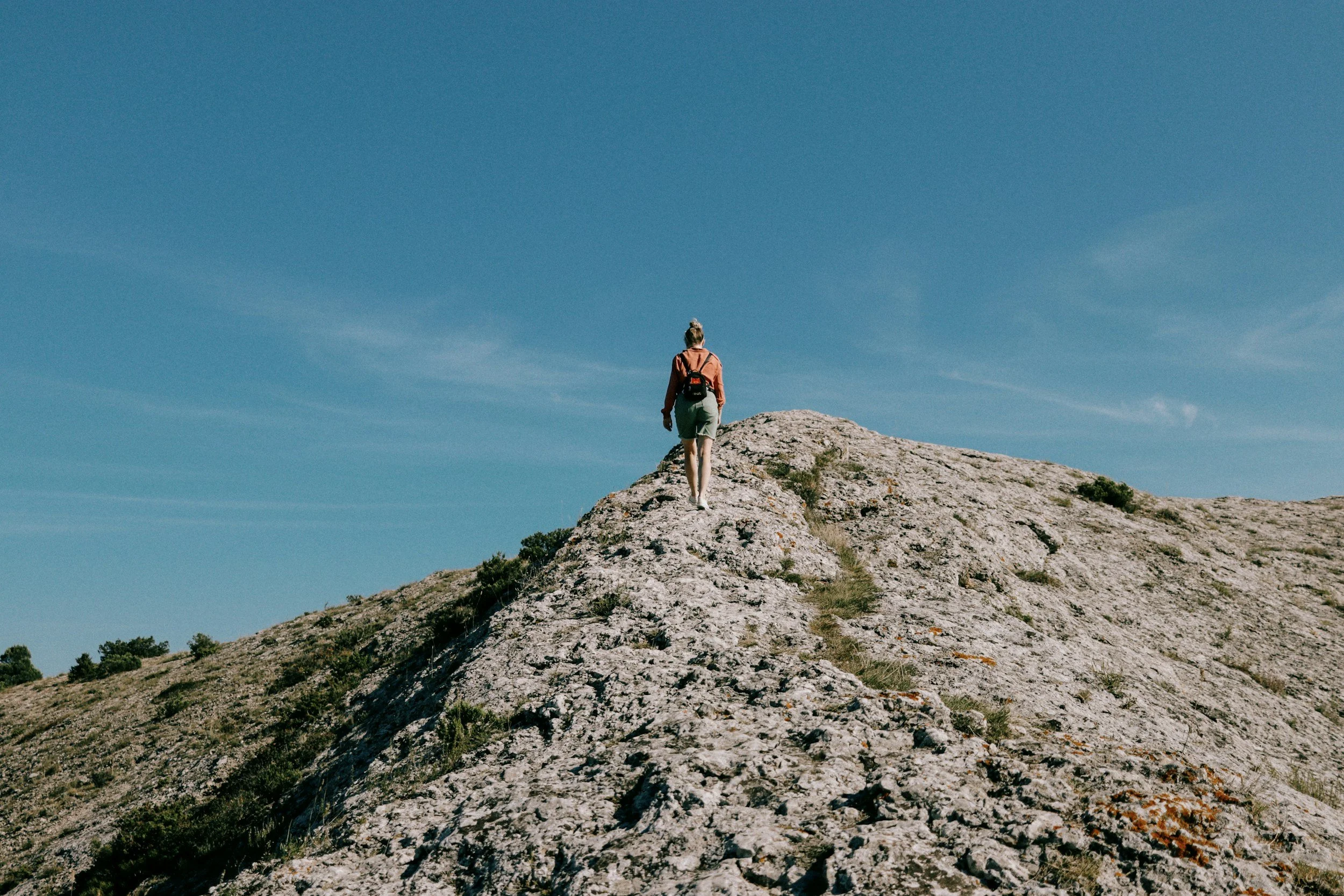
Okay real talk. We all do these things and we all know better.
Leaving with a phone at 14%. Skipping the check-in text because it feels unnecessary. Wearing earbuds in both ears because the podcast is really good right now. Guessing at the trail length instead of looking it up. Thinking "I'll be fine" and walking out the door without telling a soul.
I have done all of these things. Some of them more than once. And I got lucky.
Luck is not a safety plan.
The other big one — and this is my soapbox so buckle up — is not having any kind of visible emergency signal on you. If you get hurt on the trail and can't move, someone has to find you. If you're wearing all gray and brown and blending beautifully into the landscape, that is a problem. Search and rescue teams use bright orange for a reason — it's visible from the air, in low light, against almost every natural background.
That's exactly why I designed the Trailbuds SOS Pak — a SAR-standard orange emergency signaling system currently in development. I'm not ready to spill all the details yet, but trust me when I say it exists because I couldn't find anything on the market that actually did what I needed it to do.

Your Solo Hike Checklist (Save This)
Before you head out — run through this. It takes two minutes and your future self will thank you.
☐ Trip plan left with a real human — trailhead, trail name, return time, what to do if I don't check in
☐ Trail researched — distance, elevation, cell coverage, recent conditions
☐ Weather checked for the actual trail location, not just your city
☐ Water packed — more than you think you need
☐ First aid kit
☐ Navigation that works without cell service
☐ Phone fully charged + small battery pack if you have one
☐ Whistle
☐ Something visible and orange
☐ One earbud out on the trail
☐ Dog gear if applicable — water, bowl, leash, first aid
So — Is It Safe?
Yes. A thousand times yes.
Solo hiking as a woman is one of the most freeing, grounding, genuinely good things you can do for yourself. There is nothing quite like being on a trail with just your thoughts, your dog, and the very satisfying crunch of gravel under your boots with nobody else's timeline to worry about.
The goal isn't to hike without any risk — that's impossible and also kind of boring. The goal is to be prepared enough that when something unexpected happens, you're ready for it. Someone knows where you are. You can signal for help. You have what you need.
So the next time someone at the trailhead gives you the look and asks if you're really going alone — smile, adjust your pack, and go have the adventure you planned.
You've got this. 🧡
Be Calm, Capable and Confident— have fun out there.
Coming soon: Trailbuds SOS Pak. Be sure to join the list!
